纪录片《人生不过几顿饭》是一场横跨中国大地对于当下人生大事的深度观察。镜头穿过婚宴的喧闹、满月酒的期盼、升学宴的焦灼、散伙饭的释然、乔迁宴的向往、庆功宴的激昂与生命谢宴的沉静,记录当下一个个普通人如何在饭桌之上,“签收”自己的人生。这里没有预设的完美剧本,只有真实的欢笑、泪水、争执与拥抱。它让我们看到,每一张看似普通的餐桌上,都上演着关于爱情、亲情、勇气、和解、传承与重生的生命大戏。人生不过几顿饭,但正是这几顿饭的温度,让我们在往后的柴米油盐中,有了反复燃起的希望。
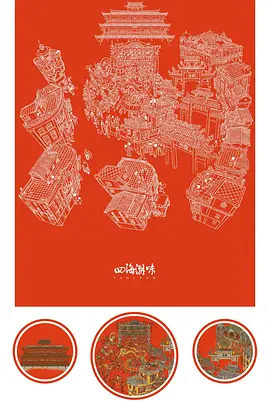
纪录片聚焦潮汕菜系的全球传播,探究其如何在东南亚等地融入当地饮食文化。影片不仅记录潮汕风味的地域差异,还通过家庭故事展现潮汕人的礼仪传统、情感纽带及身份认同。例如,蓝鸿春指出潮菜在海外“落地生根”的特点,常以平民化形式影响当地日常饮食。
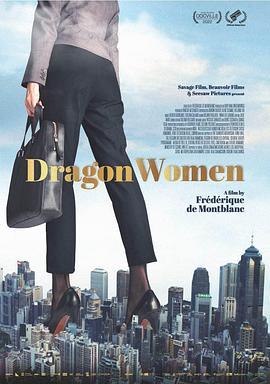
Set between Hong Kong, London and Frankfurt, this is the intimate portrait of five women working in the highest spheres of finance. Regularly stigmatised as “dragon-women”, they reveal the survival mechanisms they use and the personal battles they fight in this ultra-patriarchal professional field where they represent a tiny minority.
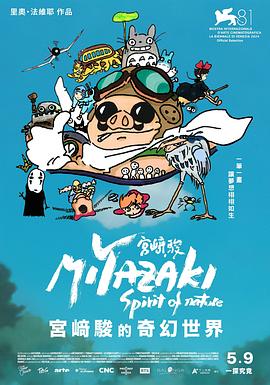
For over 50 years, Hayao Miyazaki has been enchanting the world with his films. Tonari no Totoro (My Neighbor Totoro), Mononoke-hime (Princess Mononoke), Sen to Chihiro no kamikakushi (Spirited Away), or his latest film Kimitachi wa dō ikiru ka (The Boy and the Heron), to name only a few of eleven feature films, ten short films, several manga, and also through Studio Ghibli, a museum and a theme park. They form a luminous body of work and characters that have become cult classics. Miyazaki’s films, often autobiographical, also reflect the state of the world and the turmoil of the twentieth and twenty-first centuries, made of wars and ecological disasters. He was born in Japan in 1941, during World War II. As a child, he immersed himself in drawing manga until he had a revelation upon discovering Hakuja den (The White Snake Enchantress), the first Japanese colour animated film by Taiji Yabushita. From then on, he decided to devote his life to animation, this magical art capable of overcoming the darkness that had always deeply inhabited him... Thanks to exceptional access granted by Studio Ghibli to numerous film excerpts and rare Japanese television archives, we discover the life of Miyazaki as well as a profoundly ecological body of work that questions our relationship with the natural world and living beings. Thinkers like anthropologist Philippe Descola or philosopher Timothy Morton, as well as close associates, his son and film director Gorō Miyazaki, and Toshio Suzuki, his longtime producer and friend, bring us closer to this tireless, obsessive, and mysterious artist.
In 2019, artist Sam Cox bought a mansion in the English countryside. Stripping it bare and painting all the walls white, he then spent two years covering every inch of it with black marker doodles—whimsical, surreal scribbles dubbed “Spaghetti Graffiti.” A stop-motion film capturing this endeavor propelled “Mr. Doodle” to global fame. What began as a total and imaginative artistic vision spirals into a breakdown, forcing a battle between his artistic passion and his mental health. As his loved ones grow concerned for his health, Sam remains resolute, and the film, deftly maneuvering between untamed creativity and carefully-measured balance, offers a remarkably honest attempt to find out if balance is something Sam can ever achieve.
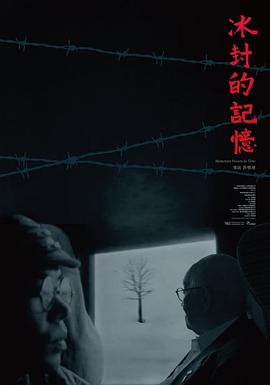
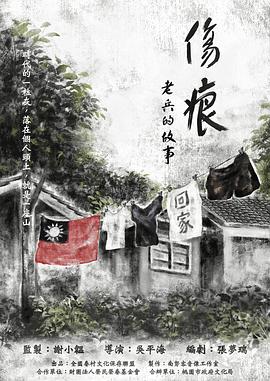
1949年來台的老兵們,身上帶著來自戰爭的記憶與創傷,在台成家立業的榮民們,憶起當年成為軍人、參加戰役、遷徙來台、落地生根的思鄉情節,也親身經歷過生離死別、離鄉背井、顛沛流離。在大時代環境變遷下,高雄左營祥和里劉德文里長逐漸與獨居榮民結緣,更步上一條護送已故老榮民返鄉的路程,一窺榮民們面對戰爭、療癒創傷的一生。 本片以兩條故事線交錯敘事,從老榮民們的現身說法,拼湊遷徙來台的生活故事,到高雄左營祥和里里長護送榮民骨灰返鄉,受託尋找失聯親友的動人緣分,揭示戰爭對個人和社會的深遠影響。本片由「全國眷村文化保存聯盟」理事長謝小韞監製,「南努客音像工作室」主持人吳平海導演製作,張夢瑞編劇、鍾喬作詞,主題曲〈撕裂〉更由原住民歌手胡德夫演唱,貫穿全片,感人甚深。